

Simple Ways to Add Fiber with Figs
Take Little Steps
Add fiber gradually to allow time for your digestive system to adapt. Try adding a few grams, about 2-3, of dietary fiber each day, along with drinking more water. Each fig has about 1-1.5 grams of fiber, depending on the size.
Check the Label
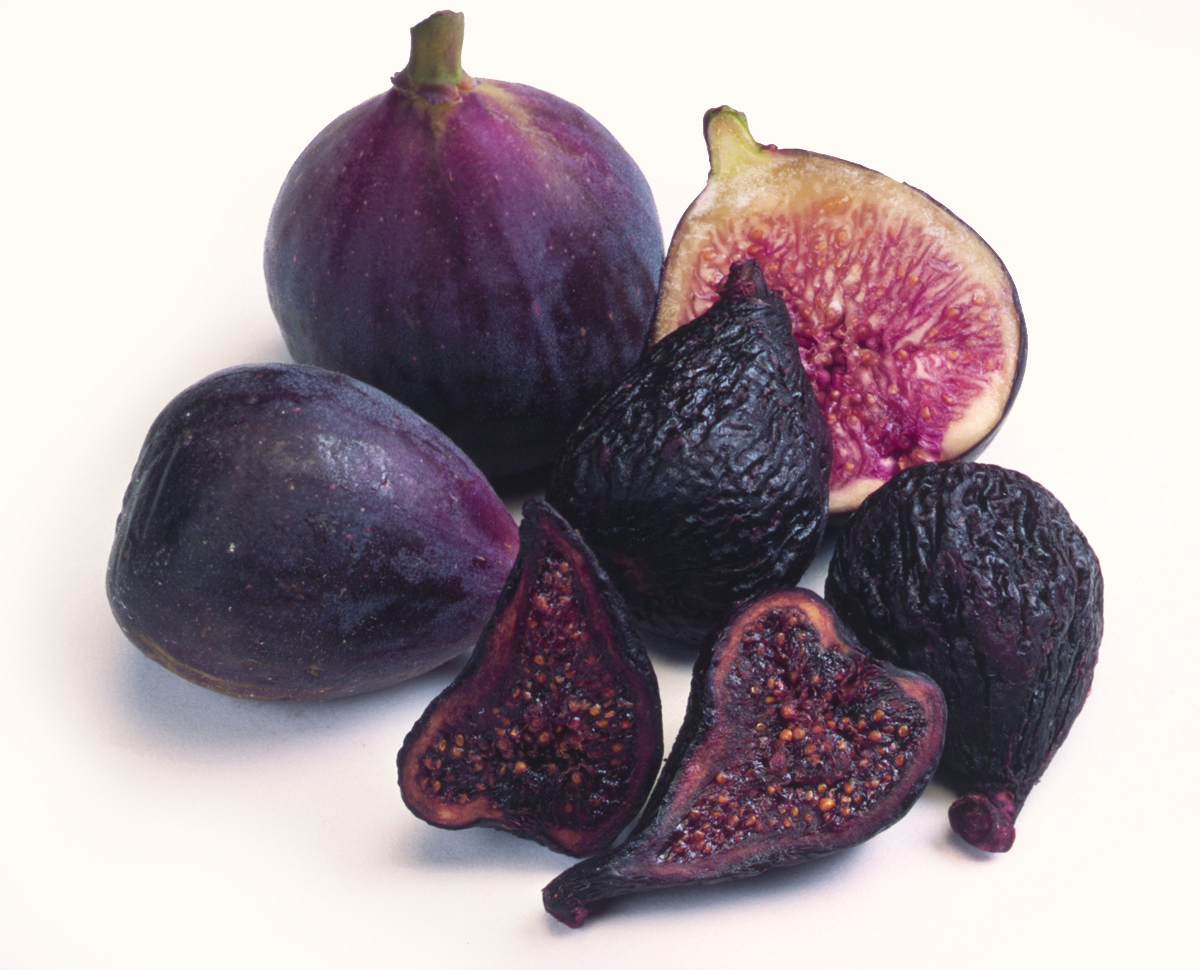
Every little bit helps. The best sources of fiber have at least 5 grams of fiber per serving.
The Nutrition Facts panel tells you the amount of dietary fiber in each serving, as well as the %DV of fiber that food contains. Compare foods and choose the ones with higher fiber.
- 5% DV or less is low in fiber
- 10% DV or more is a good source of fiber (2.5 grams per serving)
- 20% DV or more is high in fiber (5 grams/serving)
Top It Off
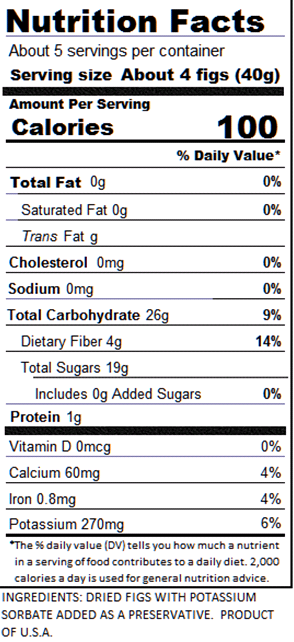
Sprinkle chopped figs on top of cereal, spoon poached figs over frozen yogurt.
Make Snacks Count
Dried fruit and nuts make a portable, easy, healthful way to add fiber to your day. Check out Orchard Choice snack bags at the Growers Store.
Keep 'Em Handy
In your desk drawer, in the gym bag, in the glove compartment, in your backpack, on the counter - reach for figs when you’re hungry.
Eat fruits and vegetables instead of drinking juice
Fruits and vegetables have more fiber than their counterpart juice
Add some fiber to every meal
Add diced figs and chopped nuts to cereal or spread fig jam on whole wheat toast; stir some chopped figs into tuna or chicken salad or make a Mediterranean spread and keep in the refrigerator to liven up turkey sandwiches; stir figs into whole grain side dishes, add sliced figs to green and fruit salads.
Choose recipes with fiber-rich ingredients
Visit our recipe section and enjoy a wide variety of recipes that provide dietary fiber in varying amounts.
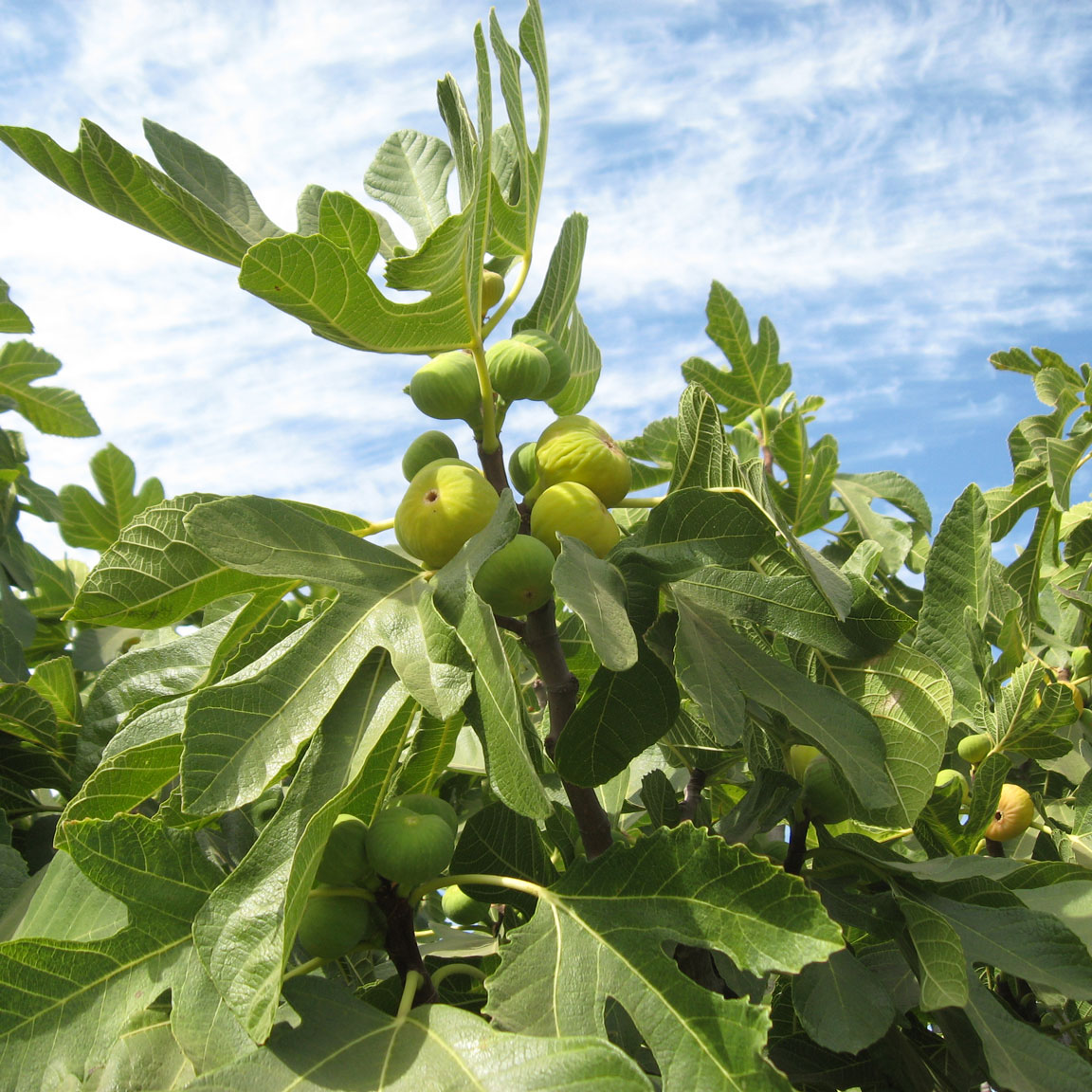
What You Should Know About The Fiber In Figs
Fiber, or "dietary fiber," is sometimes called "roughage." It's the part of food that can’t be broken down during digestion.
Read More ->
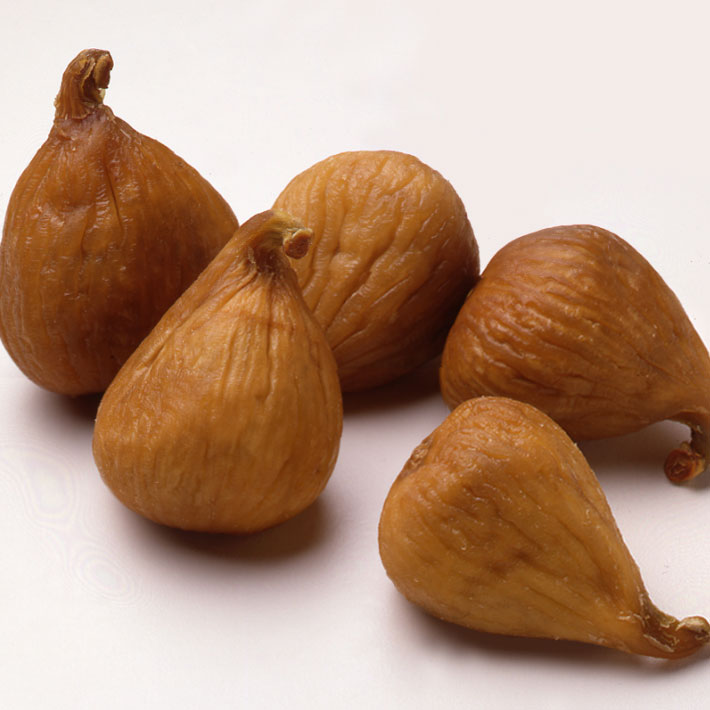
How Much Fiber Do I Need?
Most Americans don't get nearly enough fiber, often consuming less than half of what is recommended.
Read More ->
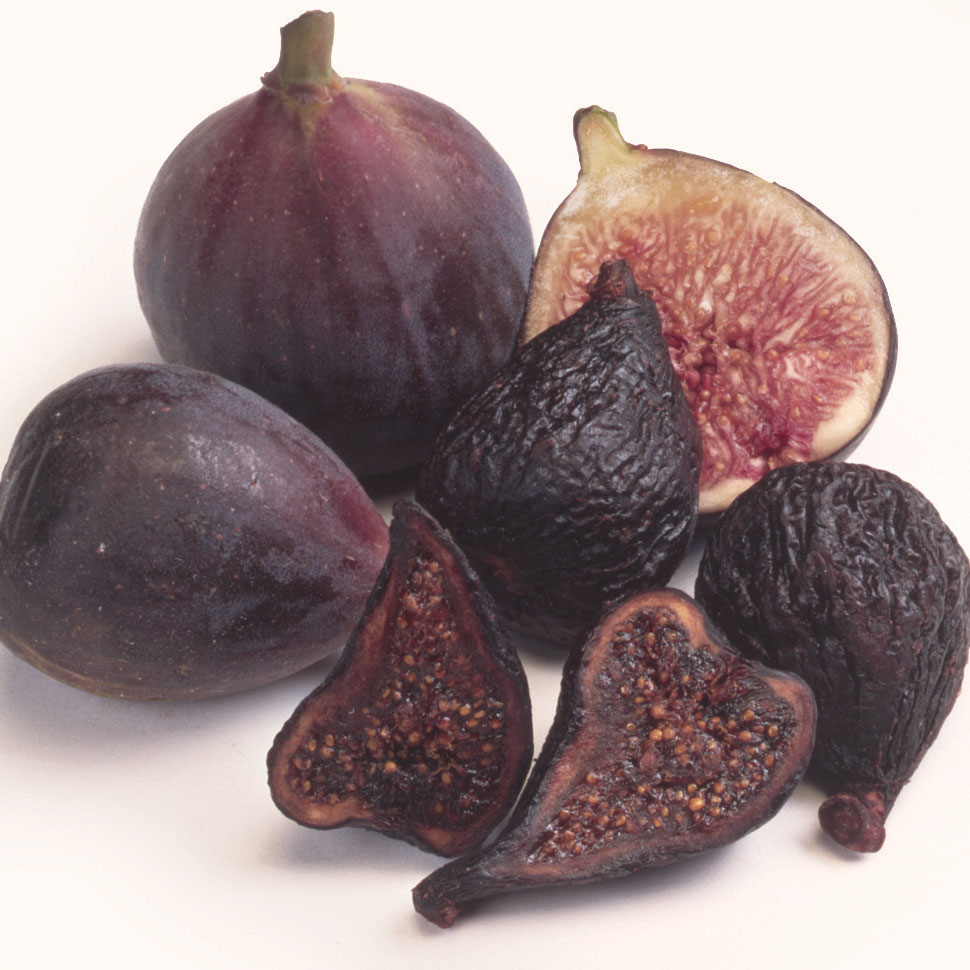
Simple Ways To Add Fiber With Figs
It's easy and tasty to add fiber to your diet throughout the day with California Dried Figs. A few here, and few there, it all adds up.
Read More ->

Try These Fiber-Rich Fig Recipes
Figs add flavor and fiber to a wide variety of dishes. Our recipes are kitchen-tested and feature California Dried Mission and Golden Figs
Read More ->